

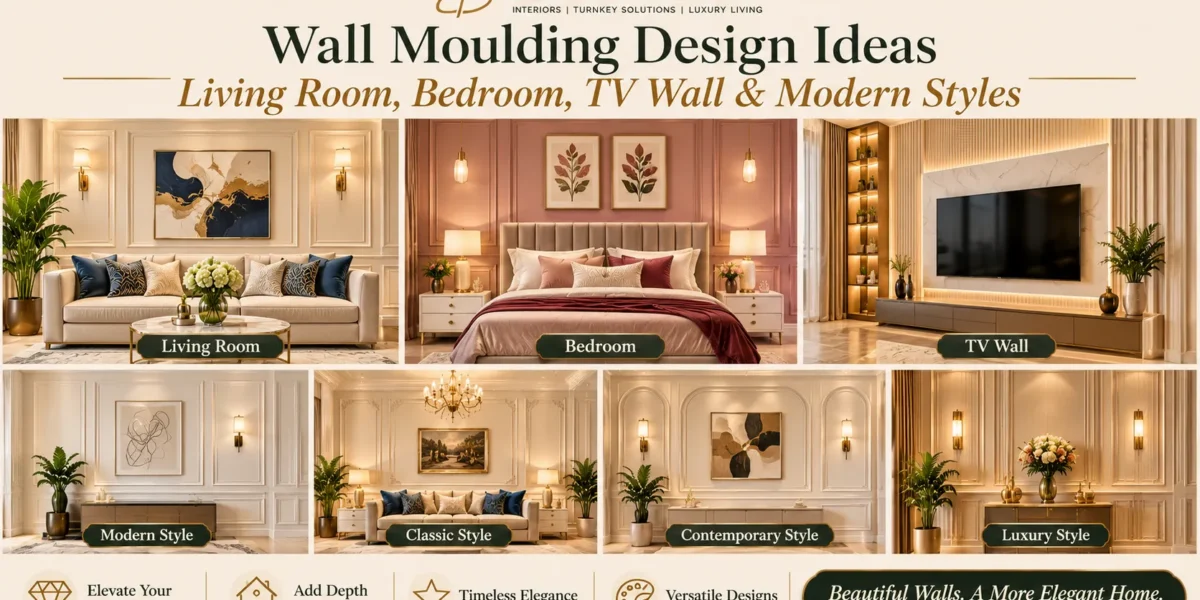
Wall moulding design is one of the simplest ways to add depth, structure, and character to plain walls without major renovation. Whether you are planning a living room feature wall, a calm bedroom backdrop, or a clean TV wall, the right moulding turns a flat surface into a designed element. A skilled designer can help plan proportions so the result feels intentional rather than decorative for its own sake.
In Indian homes, this approach works especially well because it adds architectural interest to apartments and villas without taking up floor space. It can frame the sofa back wall, create a statement around the television, or give the bedroom a more finished look. This guide covers popular ideas, materials, room-specific applications, and practical answers to common questions such as how to design wall moulding, how to install it, and which material works best.
What is Wall Moulding?
Wall moulding (also called wall molding or decorative wall trim) is a raised panel or profile applied to walls to create patterns, frames, or textured surfaces. It can be made from PVC, MDF, wood, POP, or HDHMR. The goal is to add visual depth through light and shadow rather than relying only on paint or wallpaper. It is often referred to as wall panelling or decorative moulding.
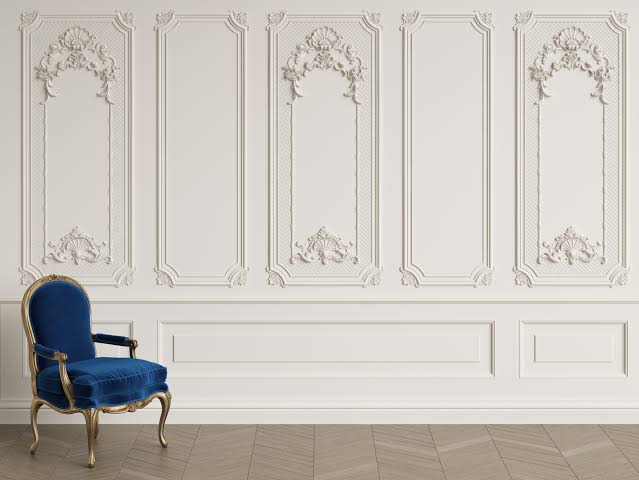
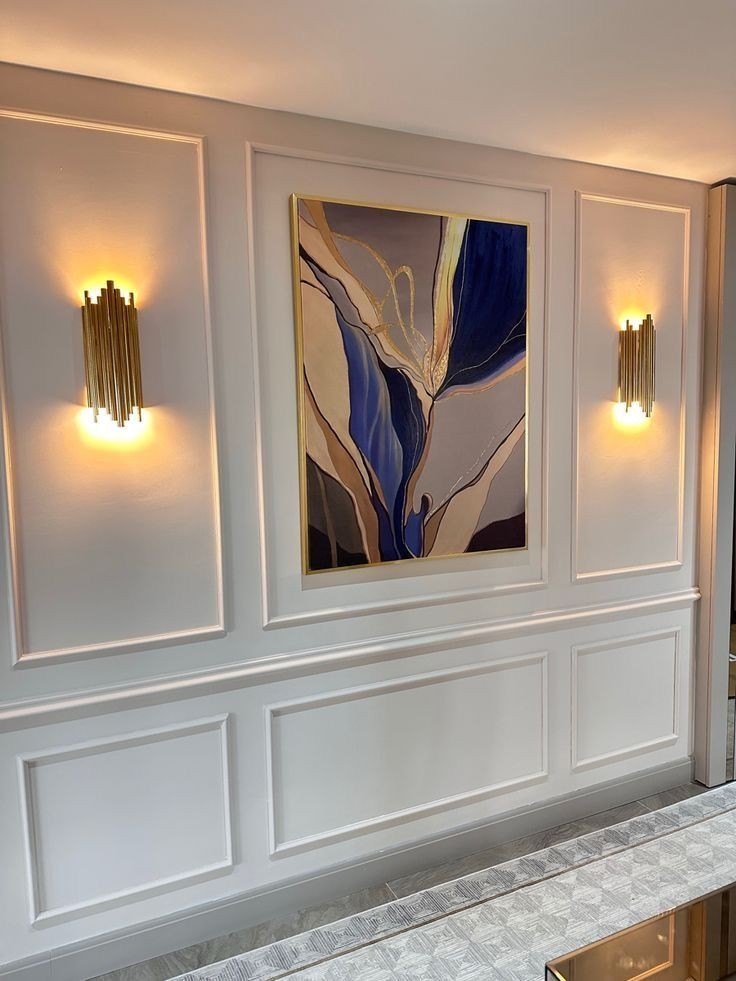
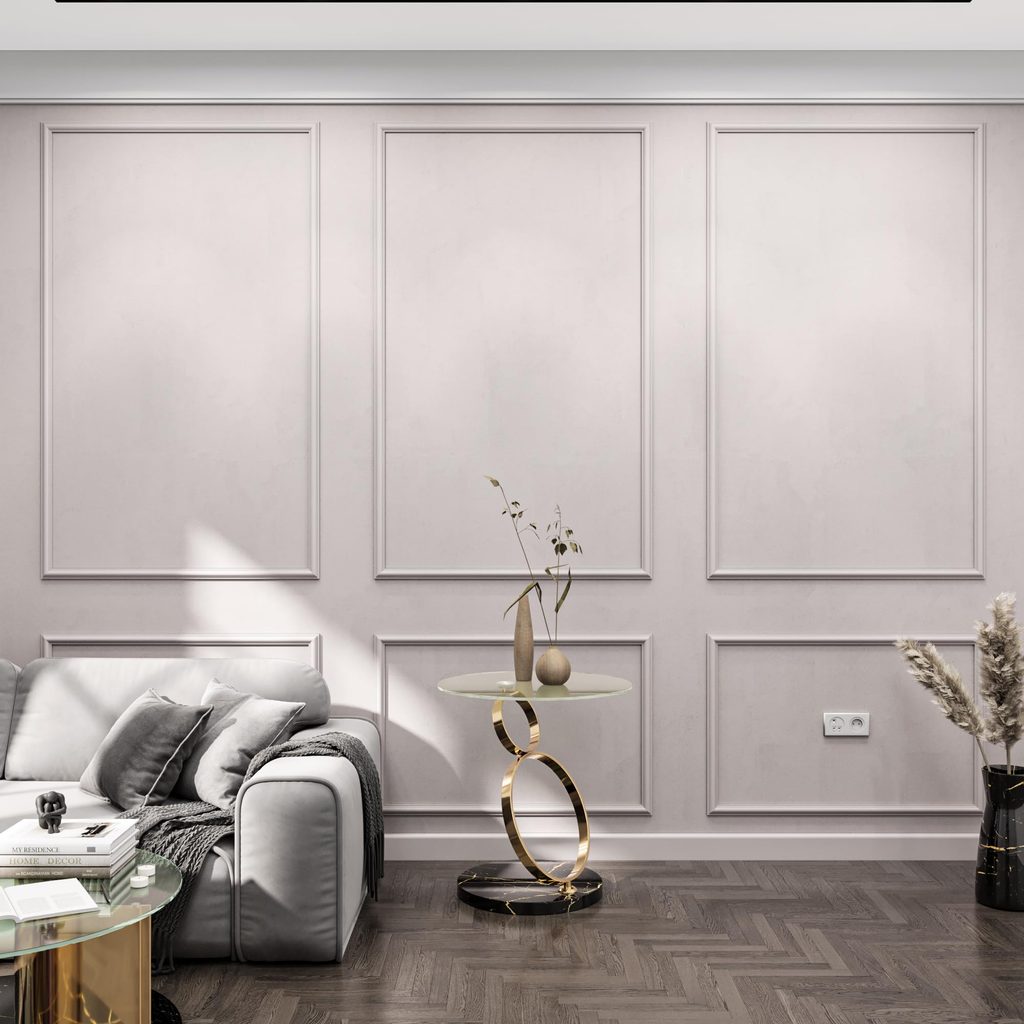
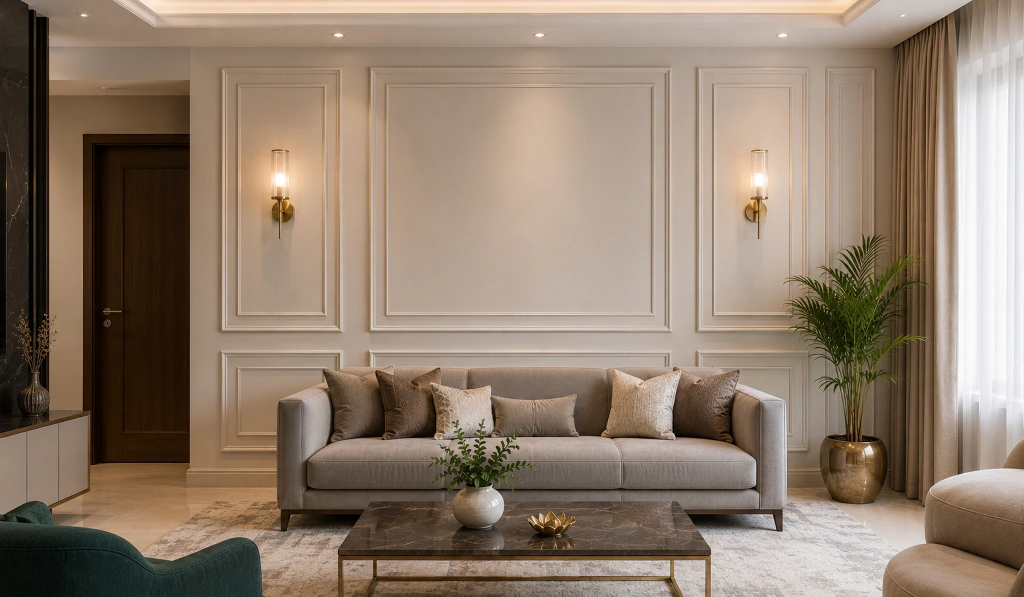
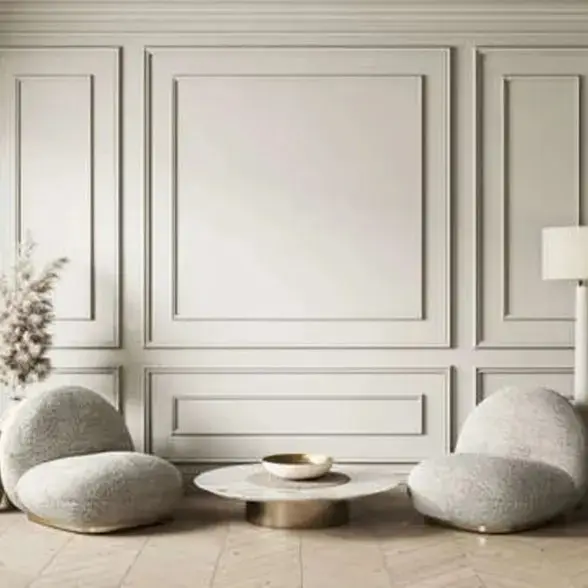
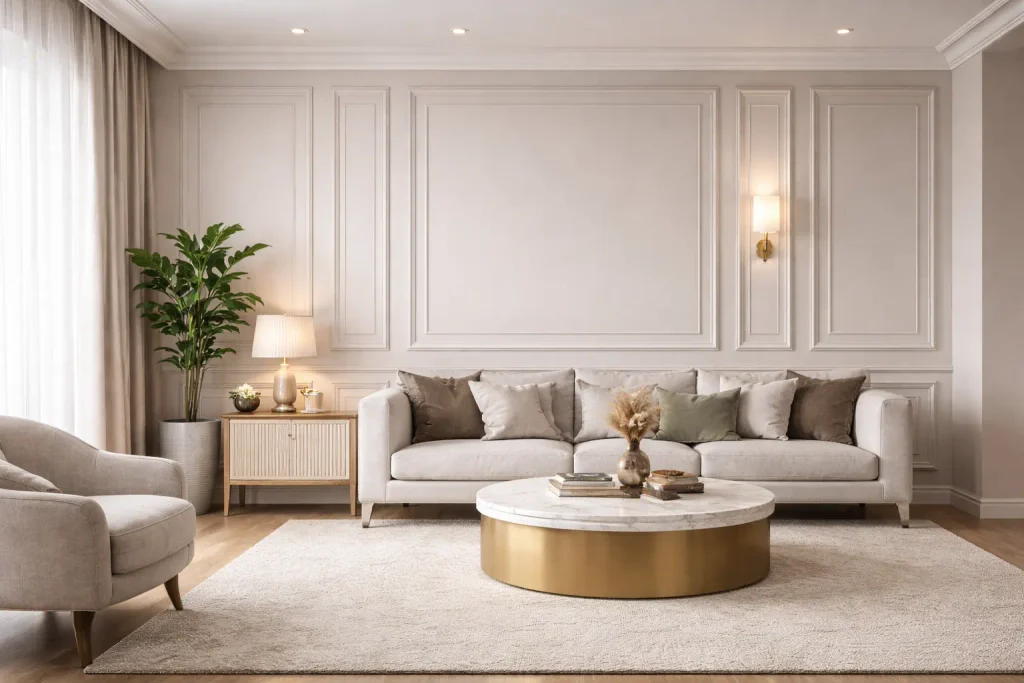
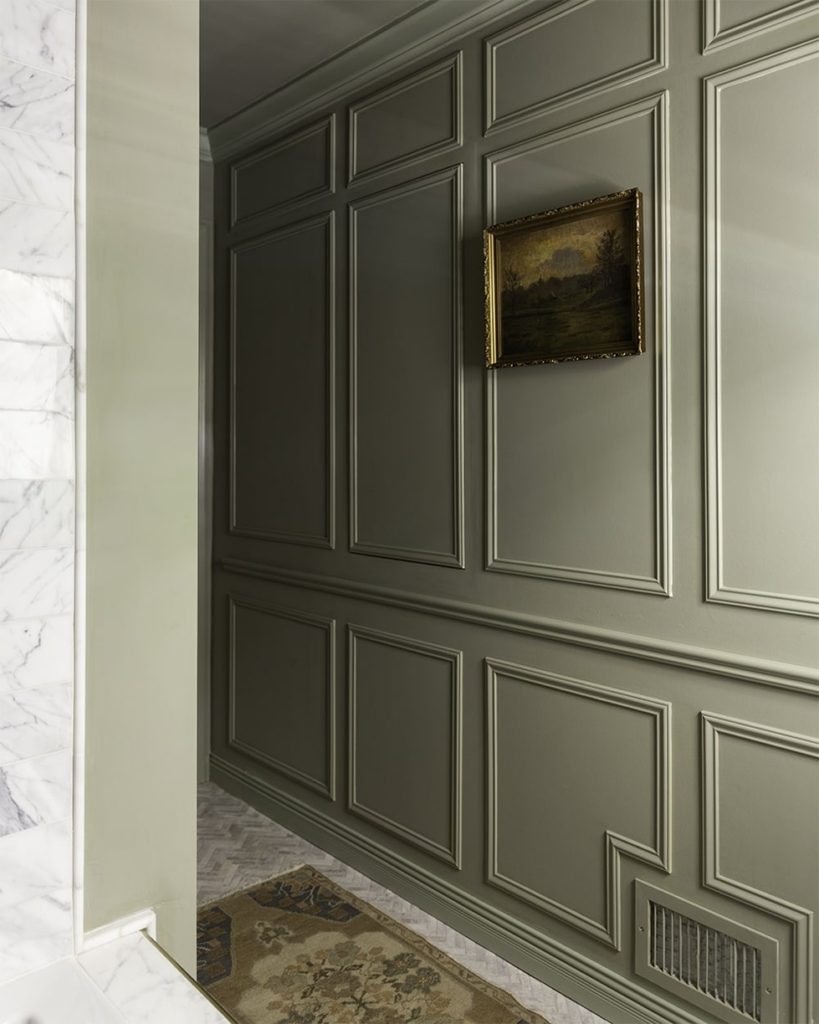
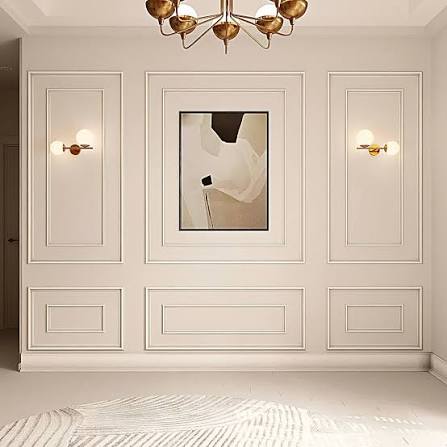
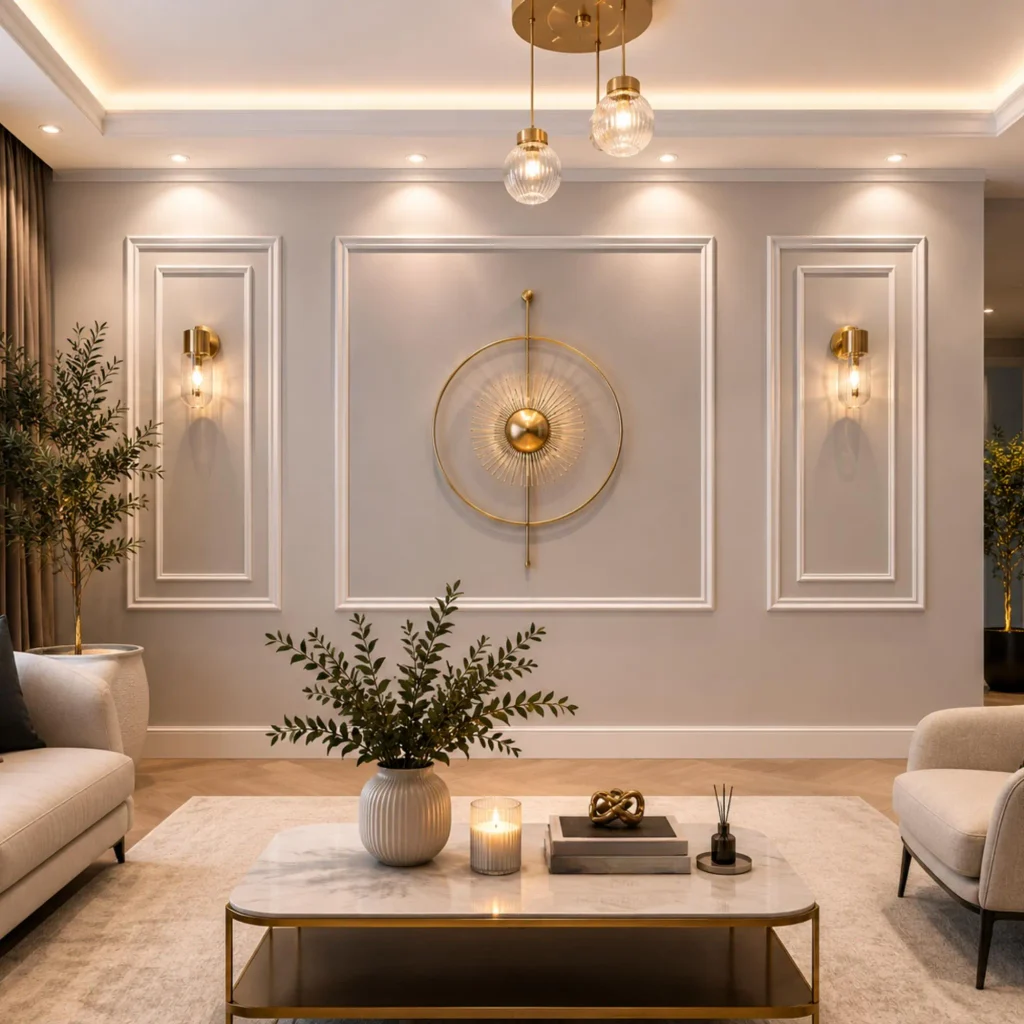
Common applications include the sofa back wall, the bed back wall, and the TV wall. It is not outdated when done in clean modern proportions. Many homeowners ask whether wall moulding is outdated — the answer is no, provided the design stays proportional and does not overwhelm the room. A professional designer can help ensure the scale works for your specific space. For related feature wall ideas, see our guide on custom wall design ideas.
Types of Wall Moulding Design
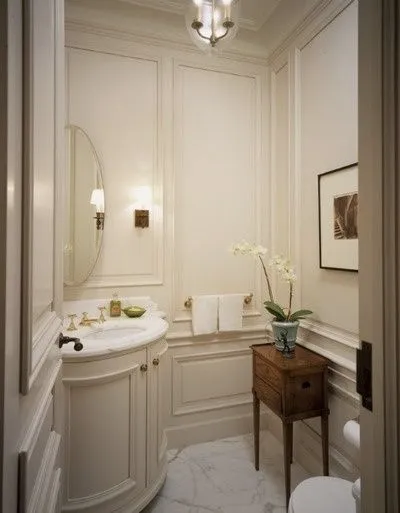
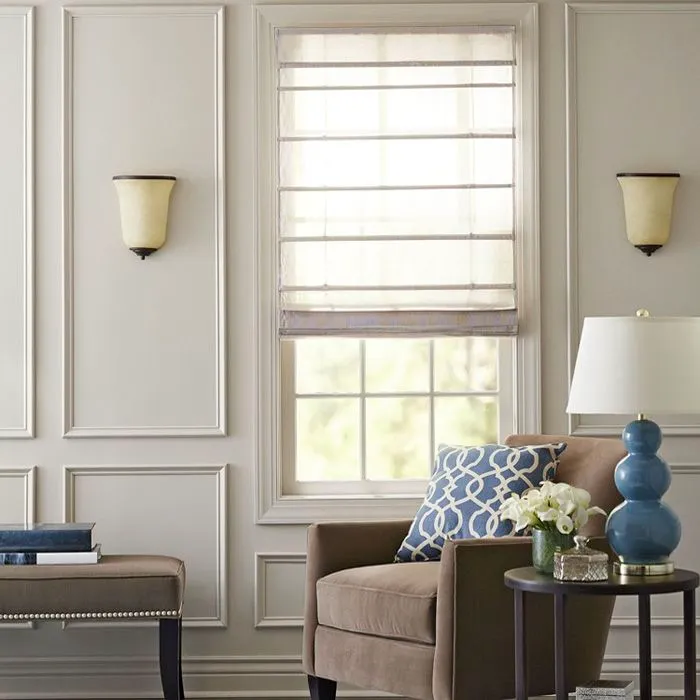
Picture Frame / Box Style
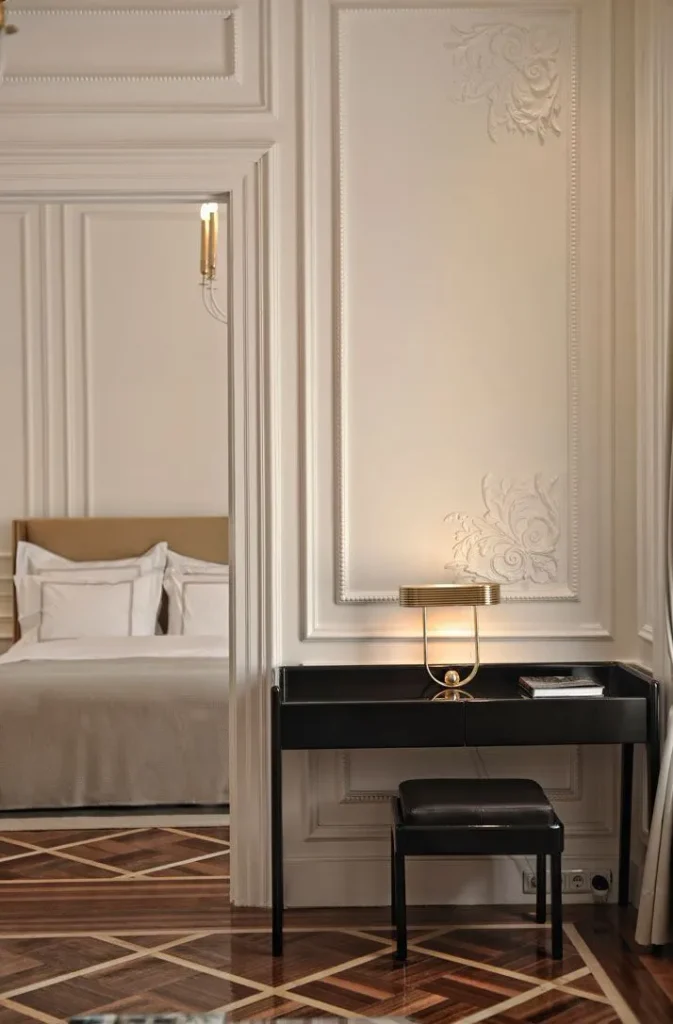
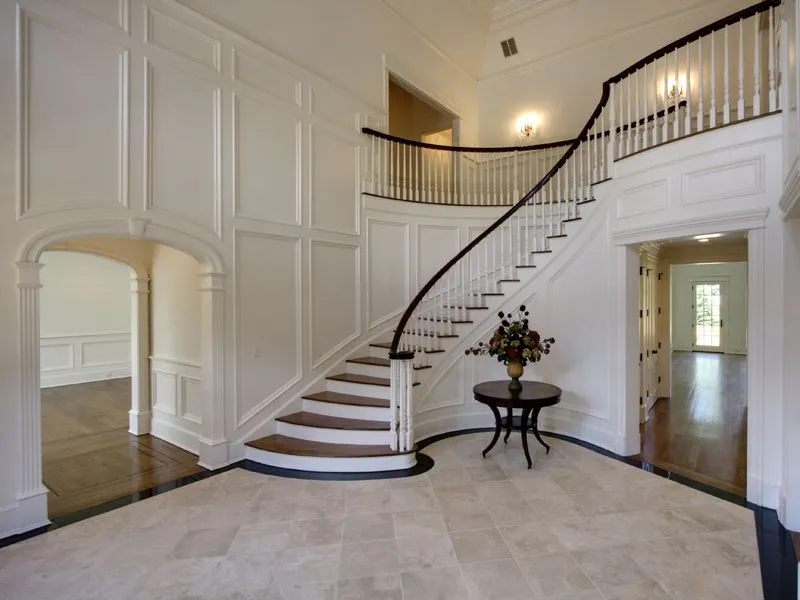
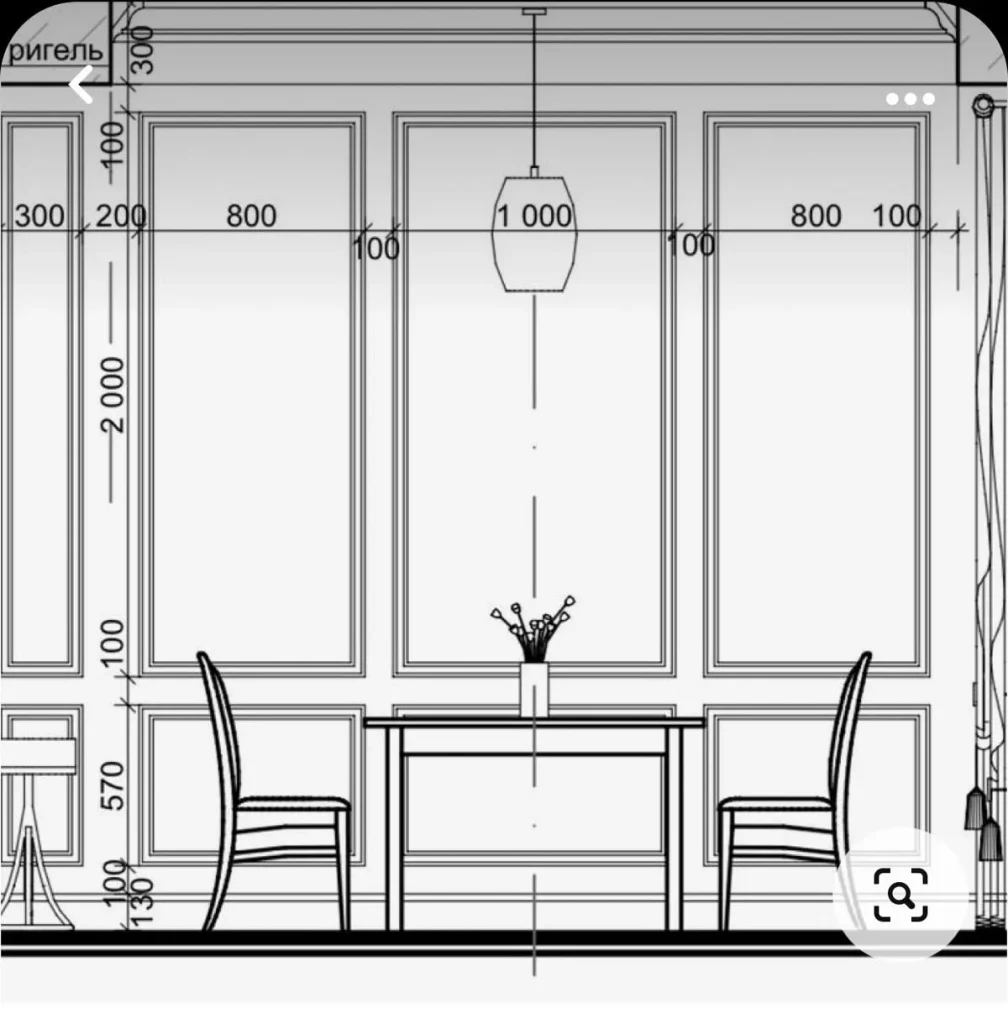
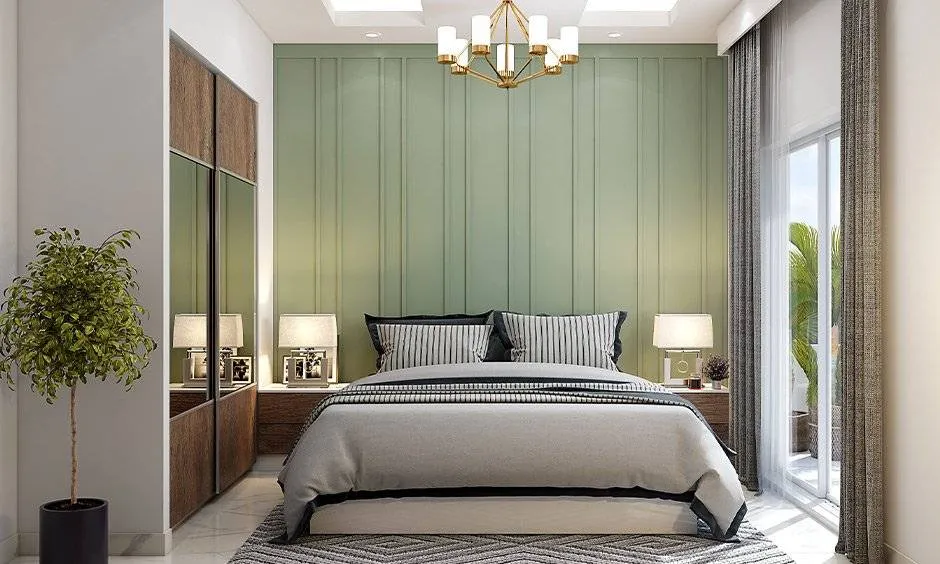
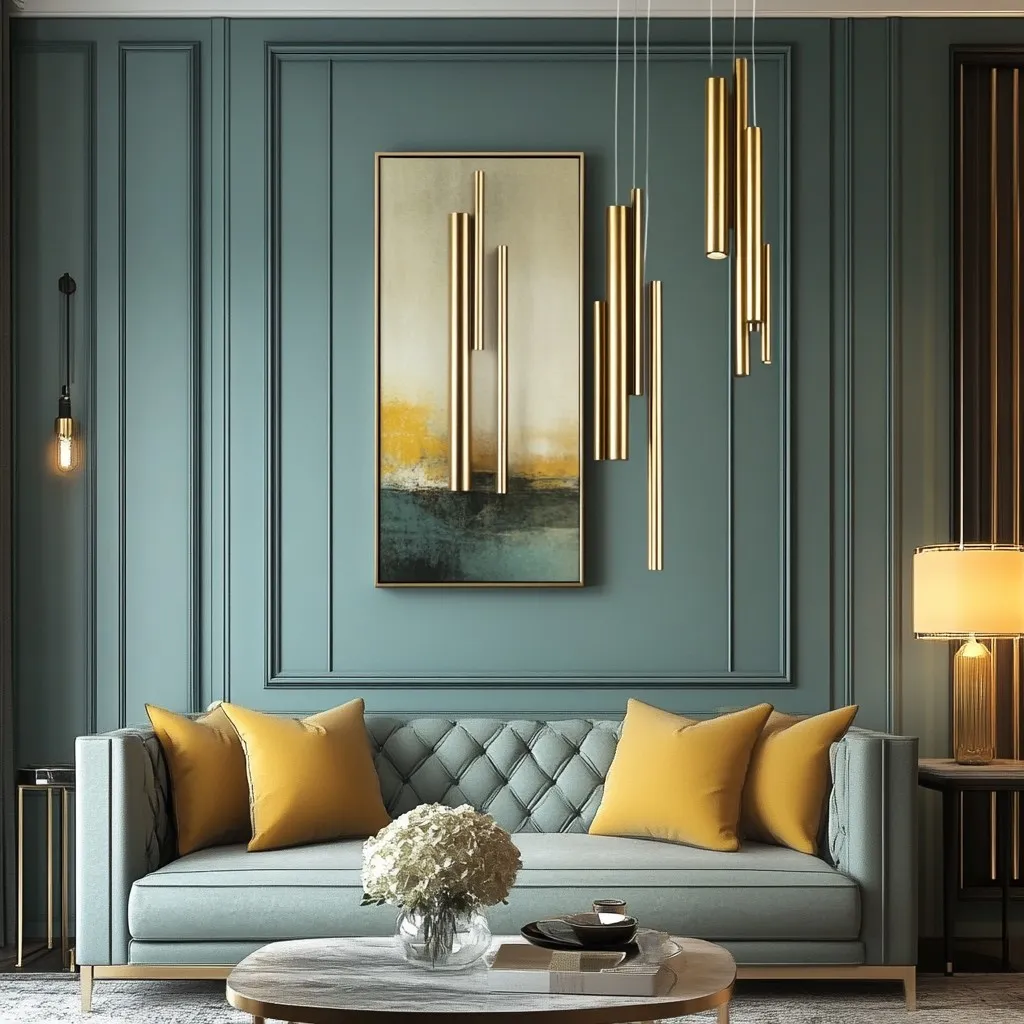
Rectangular or square frames arranged on the wall. This is one of the most versatile options and works well for both living rooms and bedrooms. It can be painted the same colour as the wall for a subtle look or contrasted for more definition. This style is easy to scale and is frequently used in modern interiors.
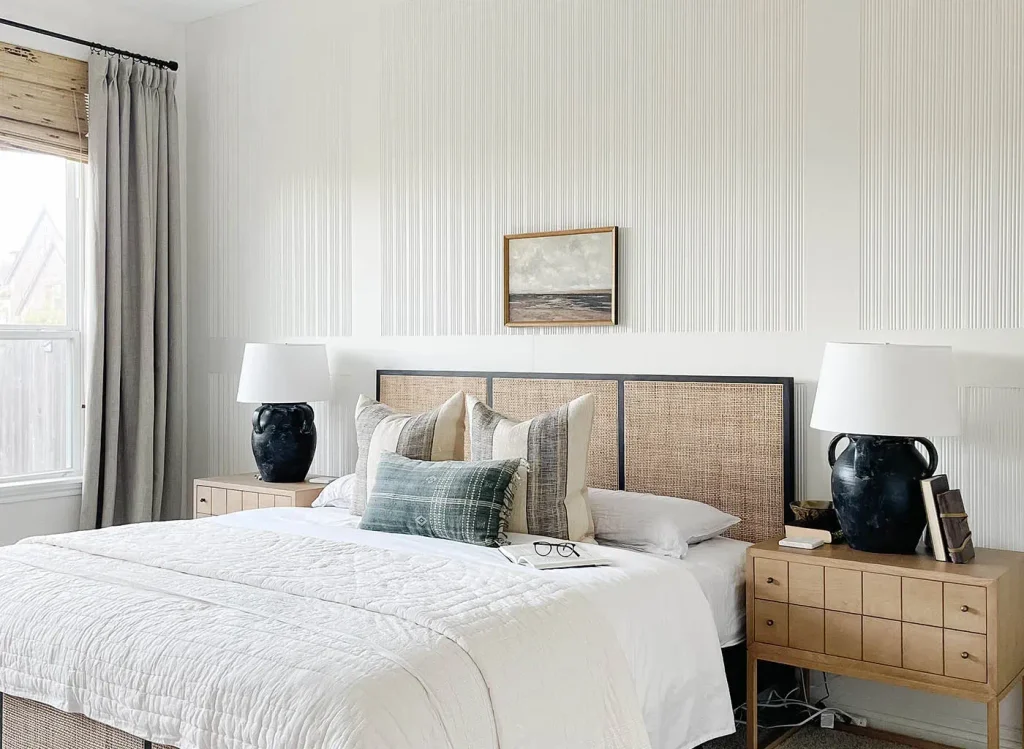
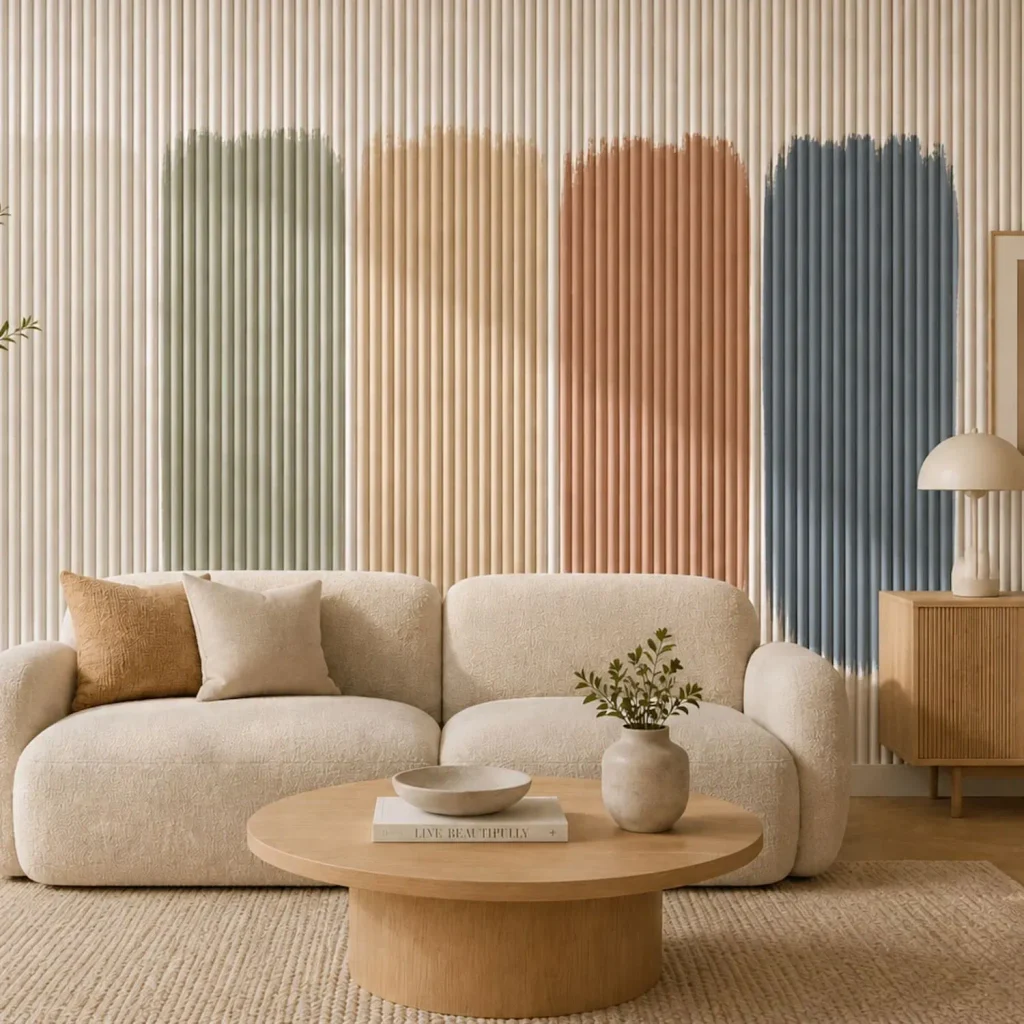
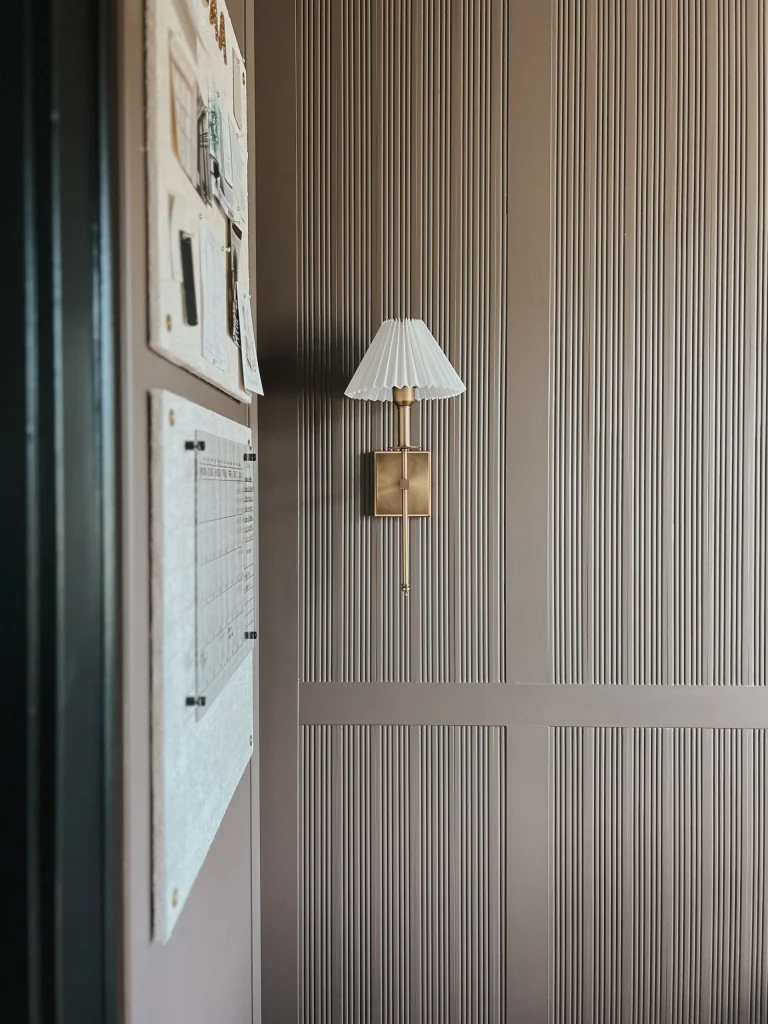
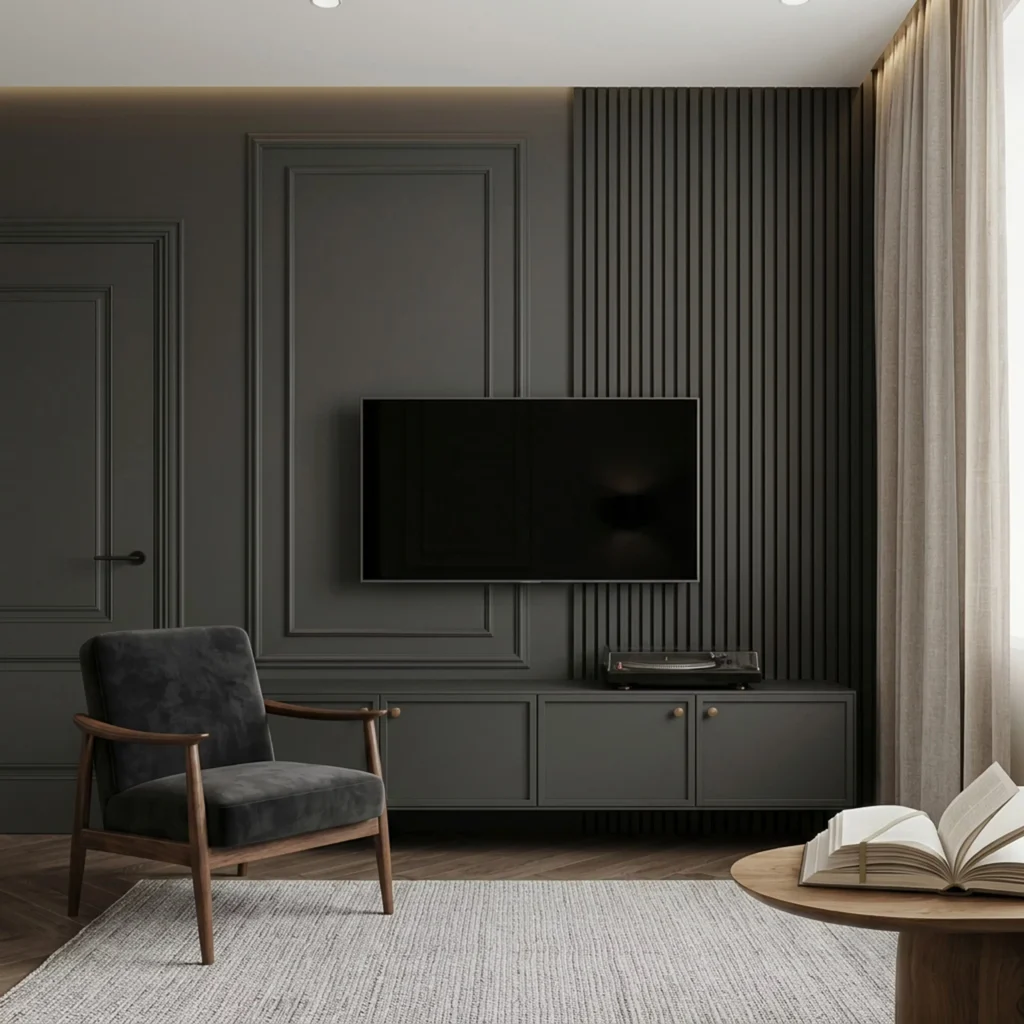
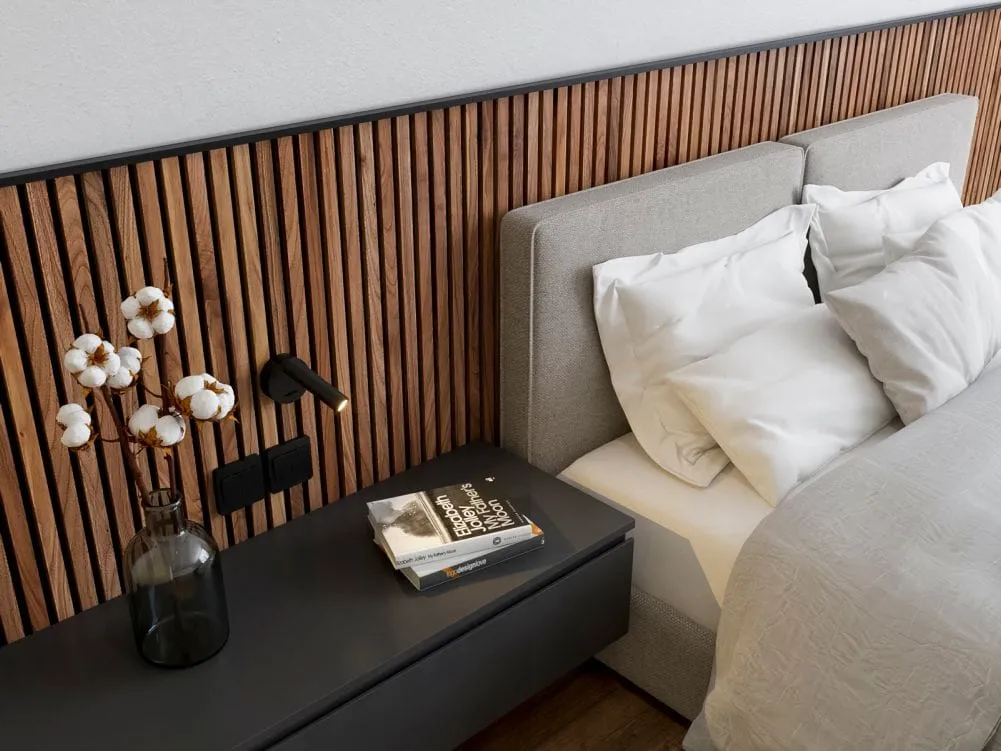
Vertical Fluted or Strip Moulding
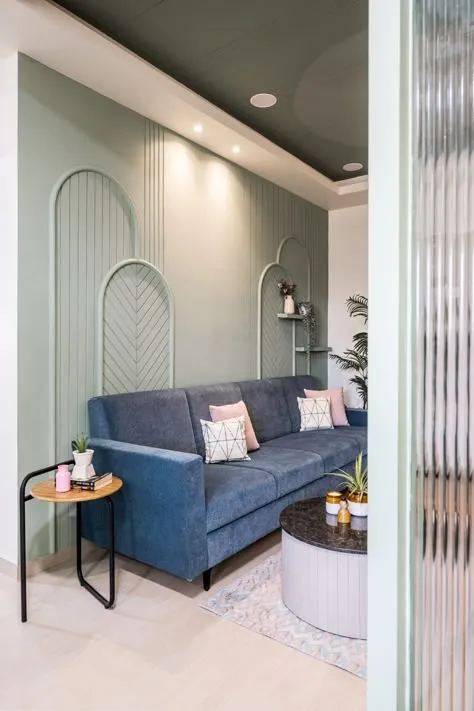
Narrow vertical lines that make walls feel taller. Useful in modern living room layouts and for compact spaces. This style is popular for sofa back walls and TV walls. Vertical lines also work well on staircases when you want to emphasize height. For TV wall inspiration, check our TV unit design ideas.
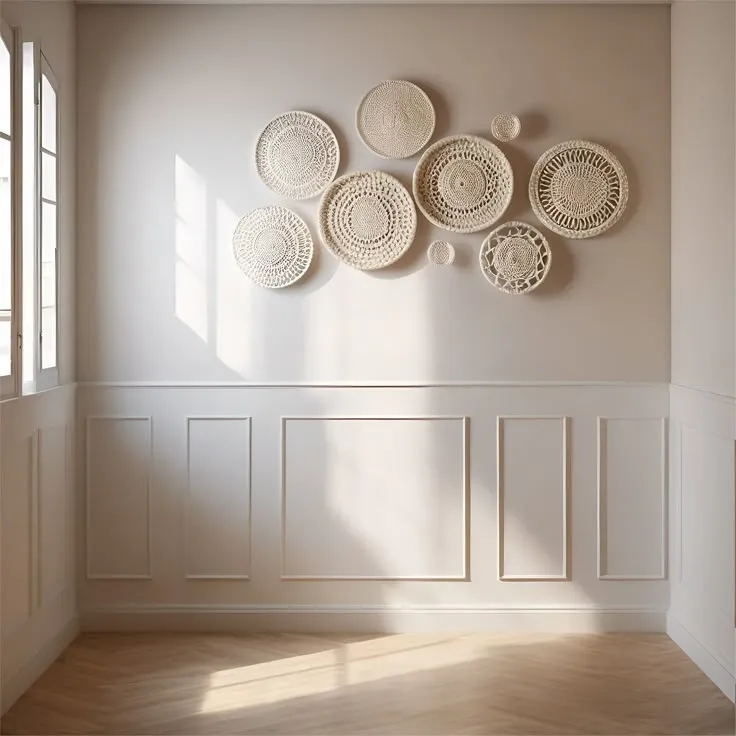
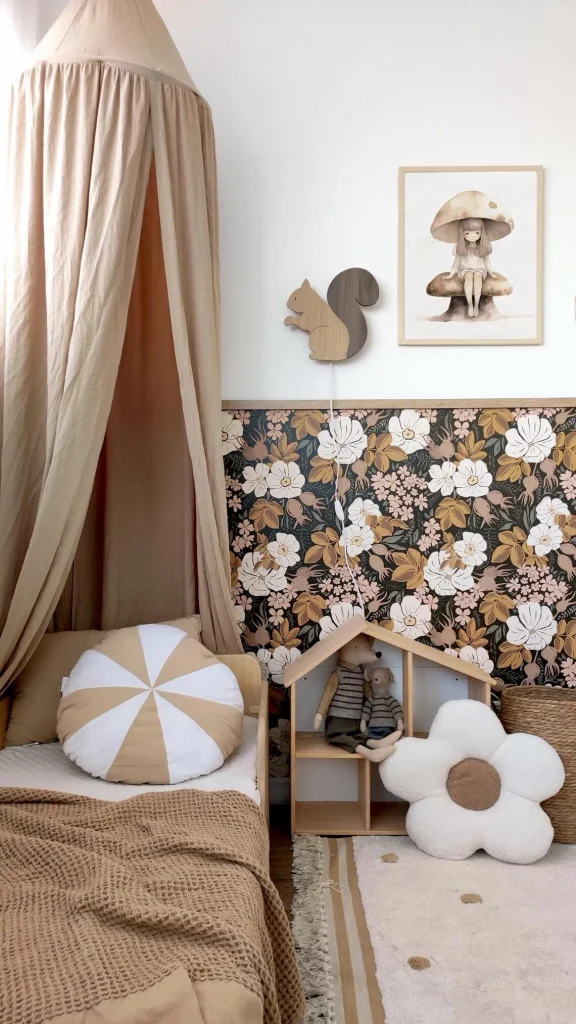
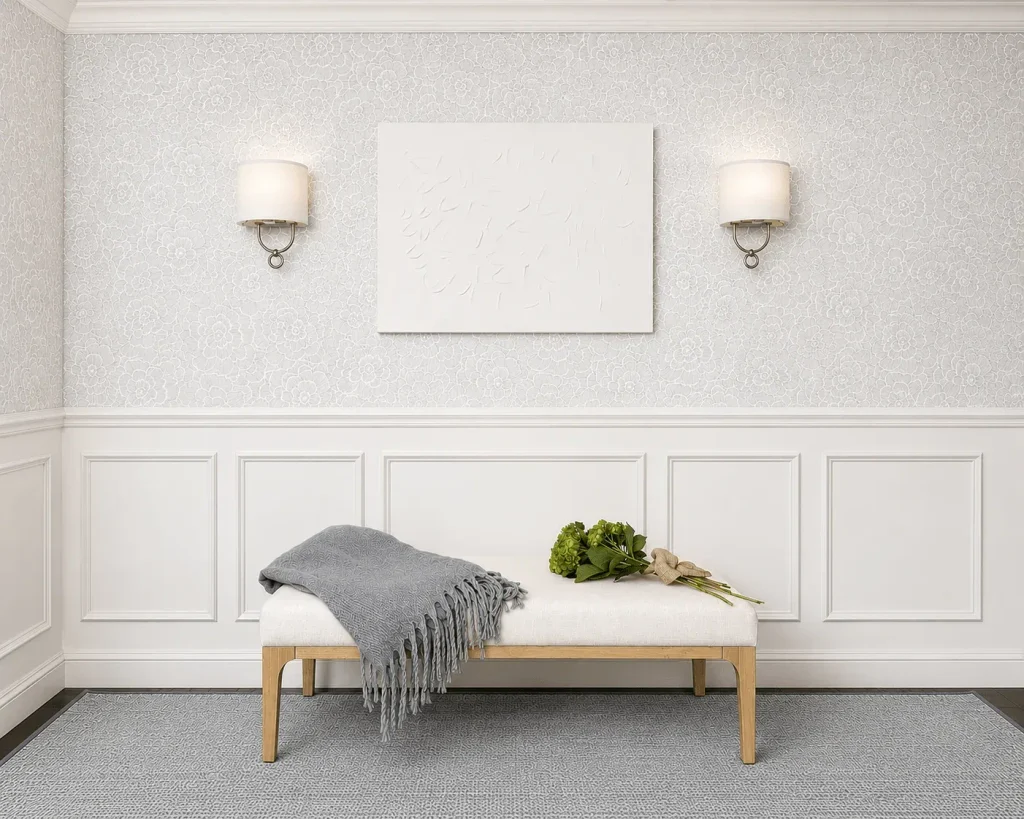
Chair Rail and Half-Wall Moulding
A horizontal division that protects the lower wall and creates a two-tone effect. Practical for living rooms and dining areas where furniture touches the wall. This application is both functional and decorative.
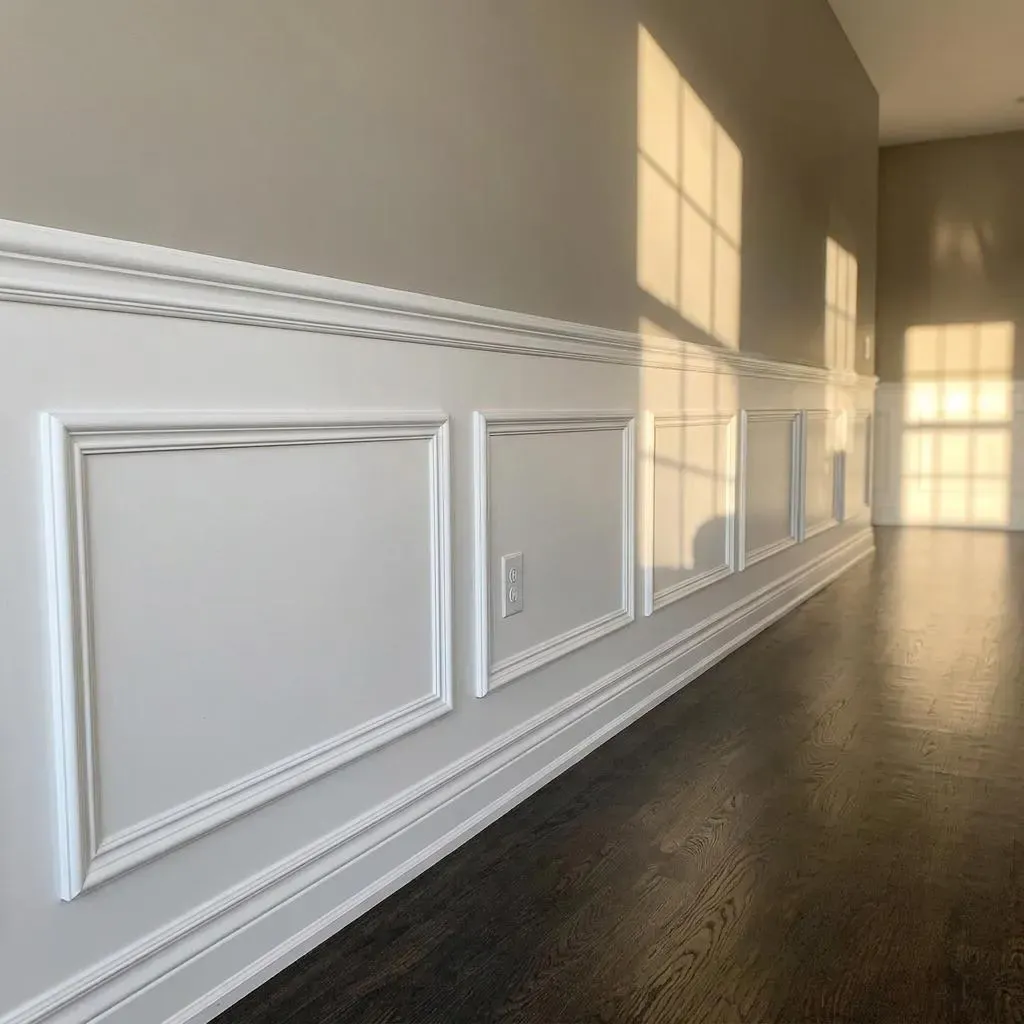
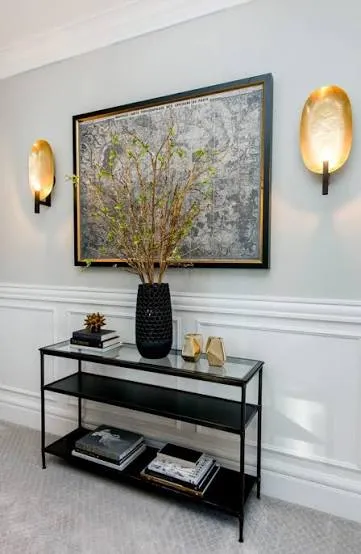
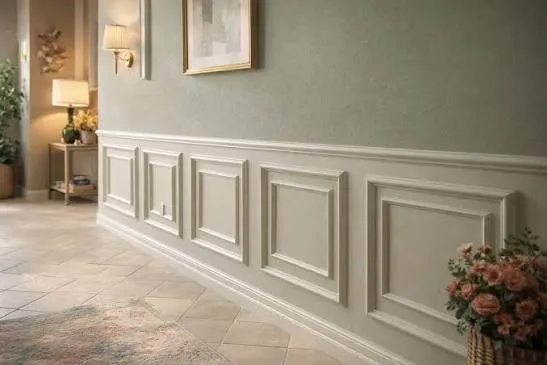
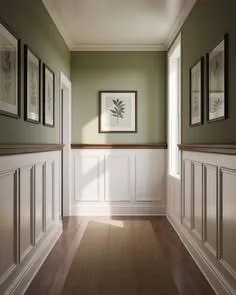
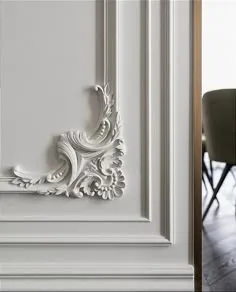
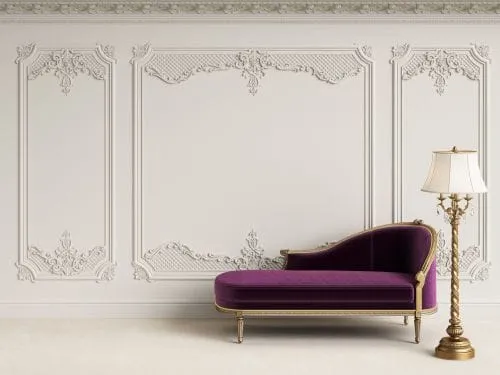
POP Wall Moulding
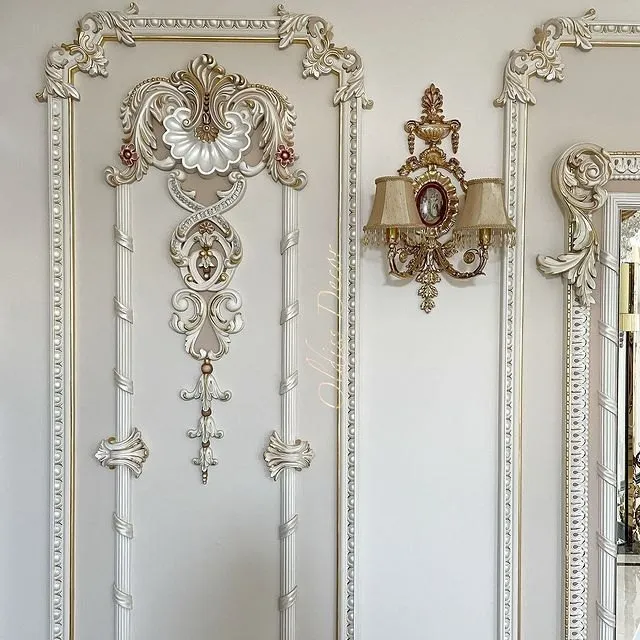
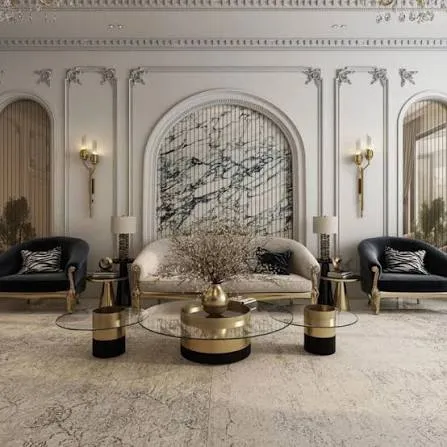
POP allows custom profiles and cleaner finishes. It is often used for more refined or luxury looks and can be combined with lighting. Luxury living room applications frequently use POP when a more detailed profile is required. For ceiling coordination, see our false ceiling design ideas.
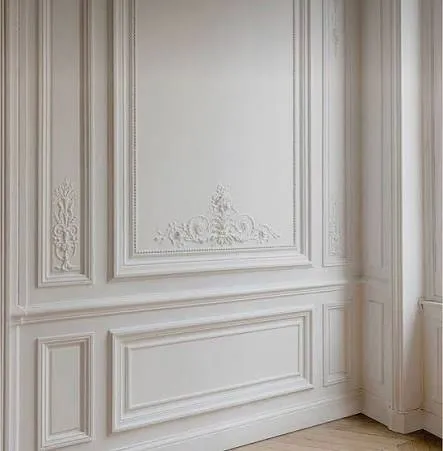
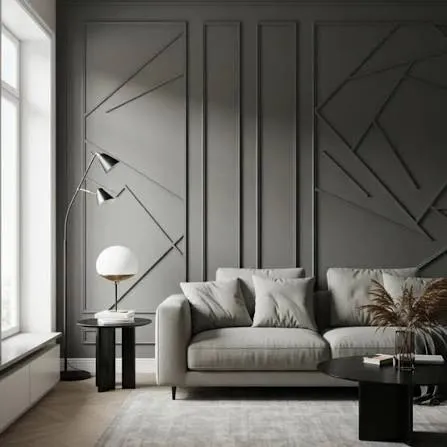
PVC Wall Moulding
PVC is lightweight, moisture-resistant, and easy to maintain. Many people search for how to fix PVC moulding on wall or how to stick PVC moulding on wall because it can be installed with adhesive and is suitable for Indian climates. It is also a common choice for DIY installation. For material details, refer to guides on wall moulding materials and selection.
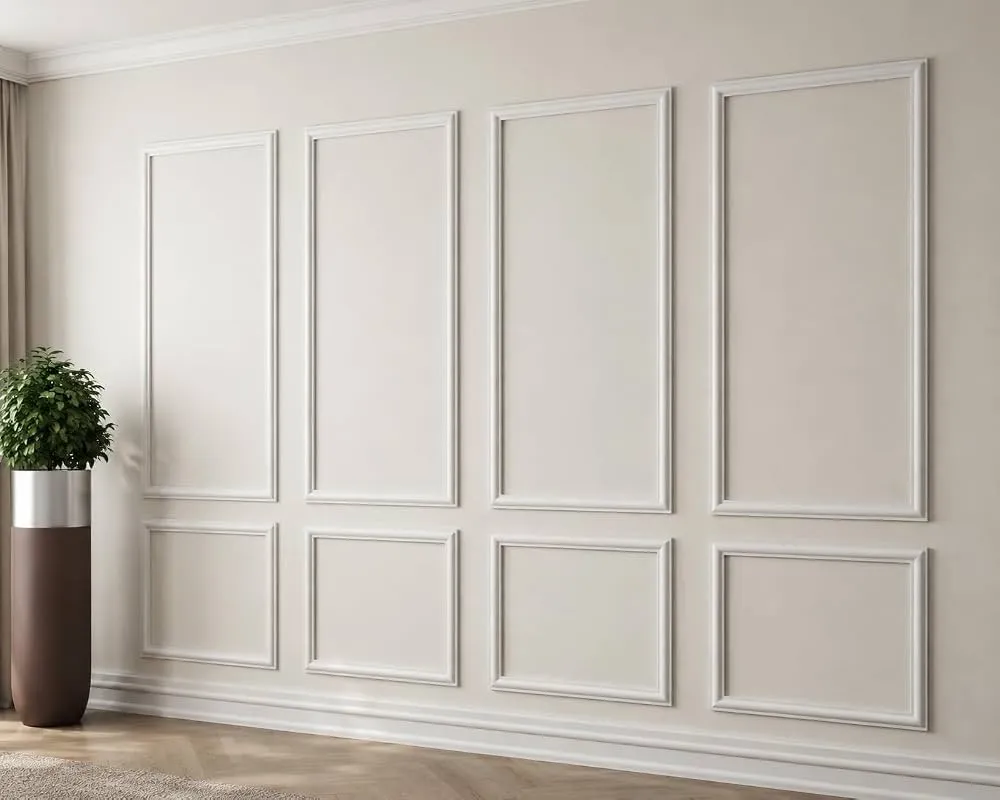
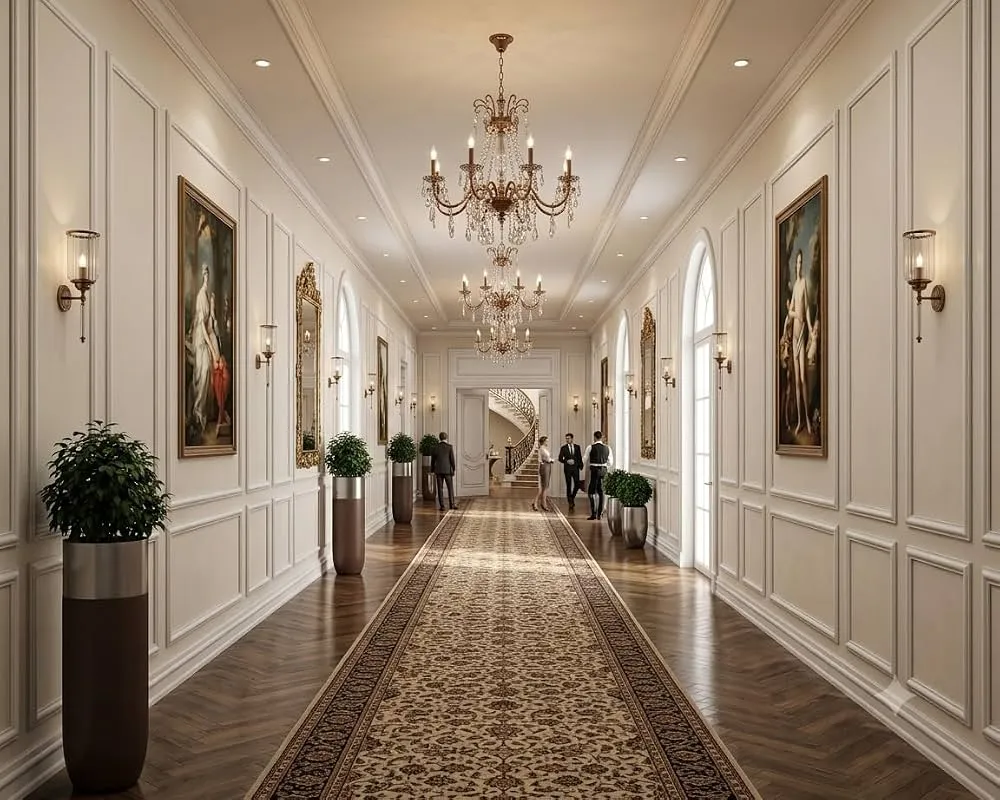
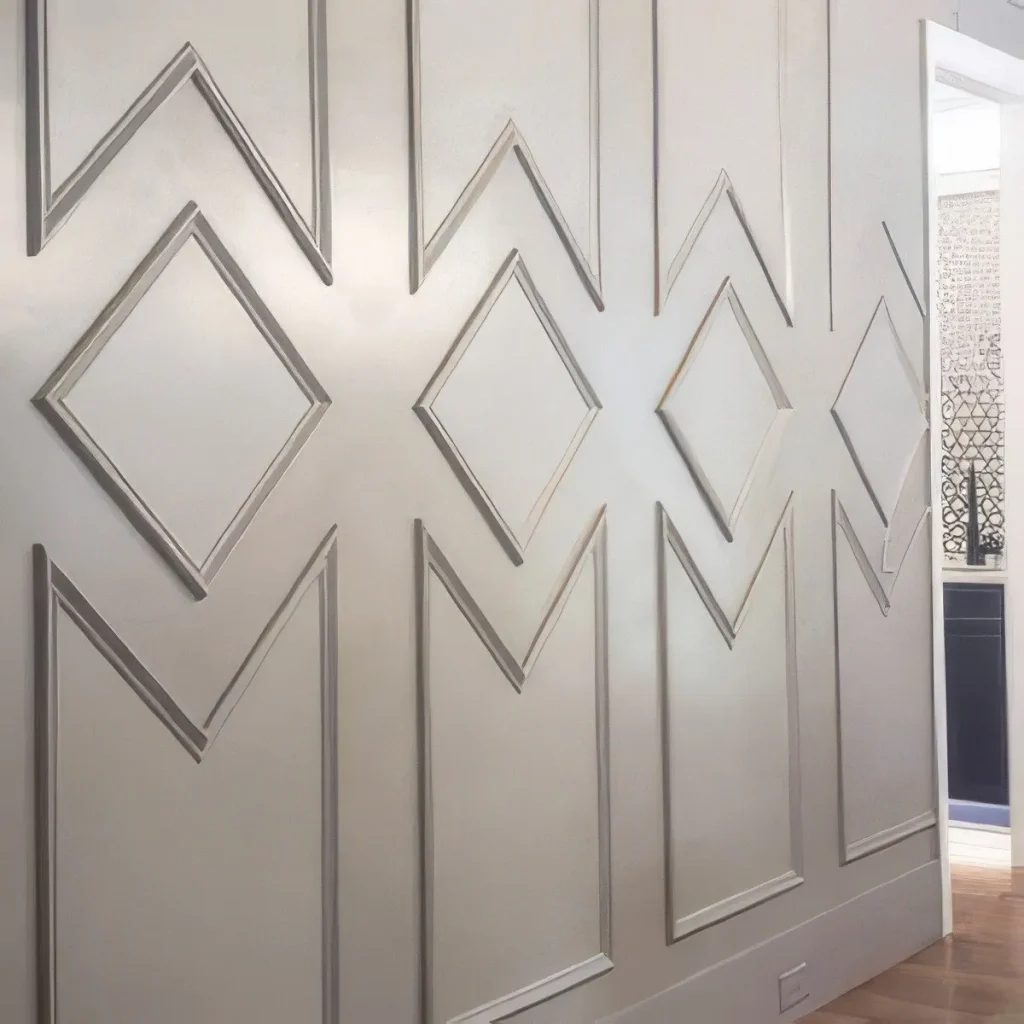
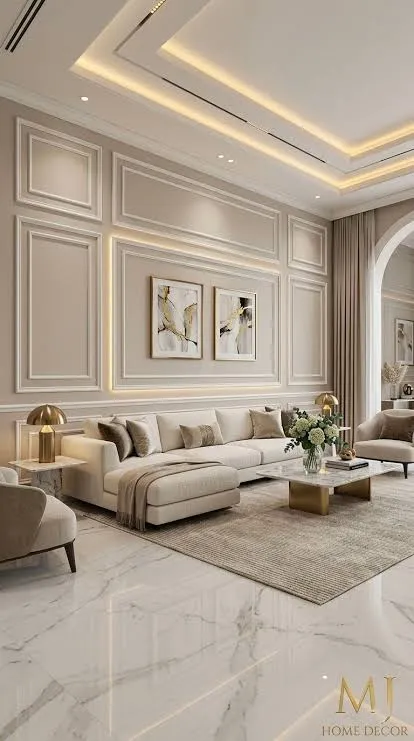
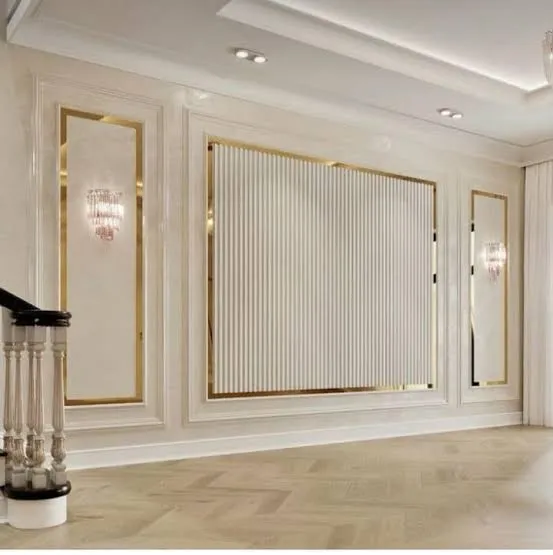
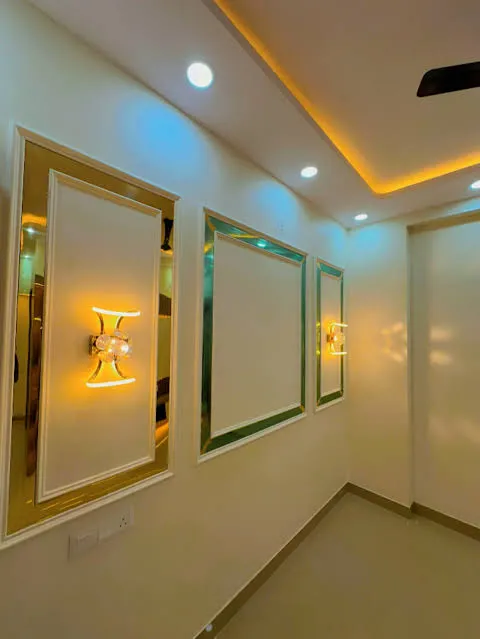
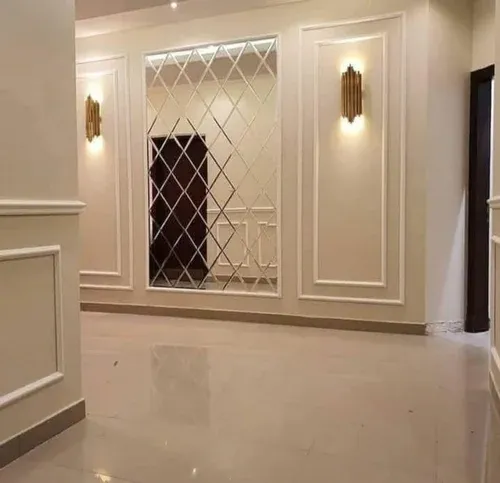
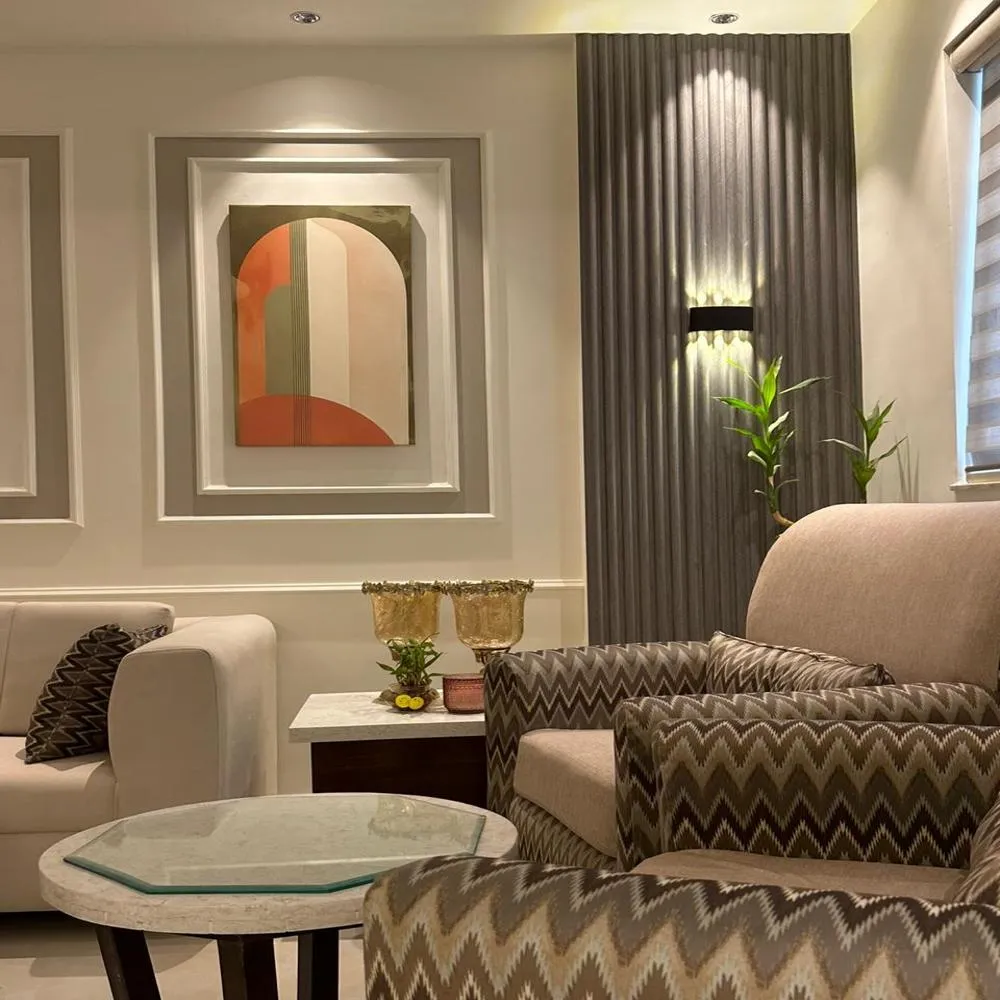
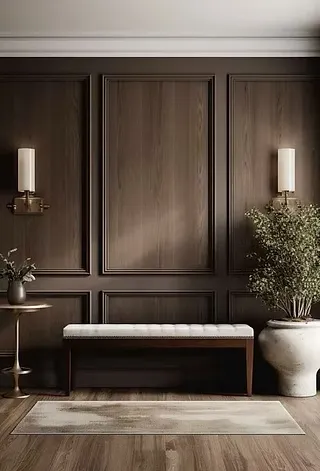
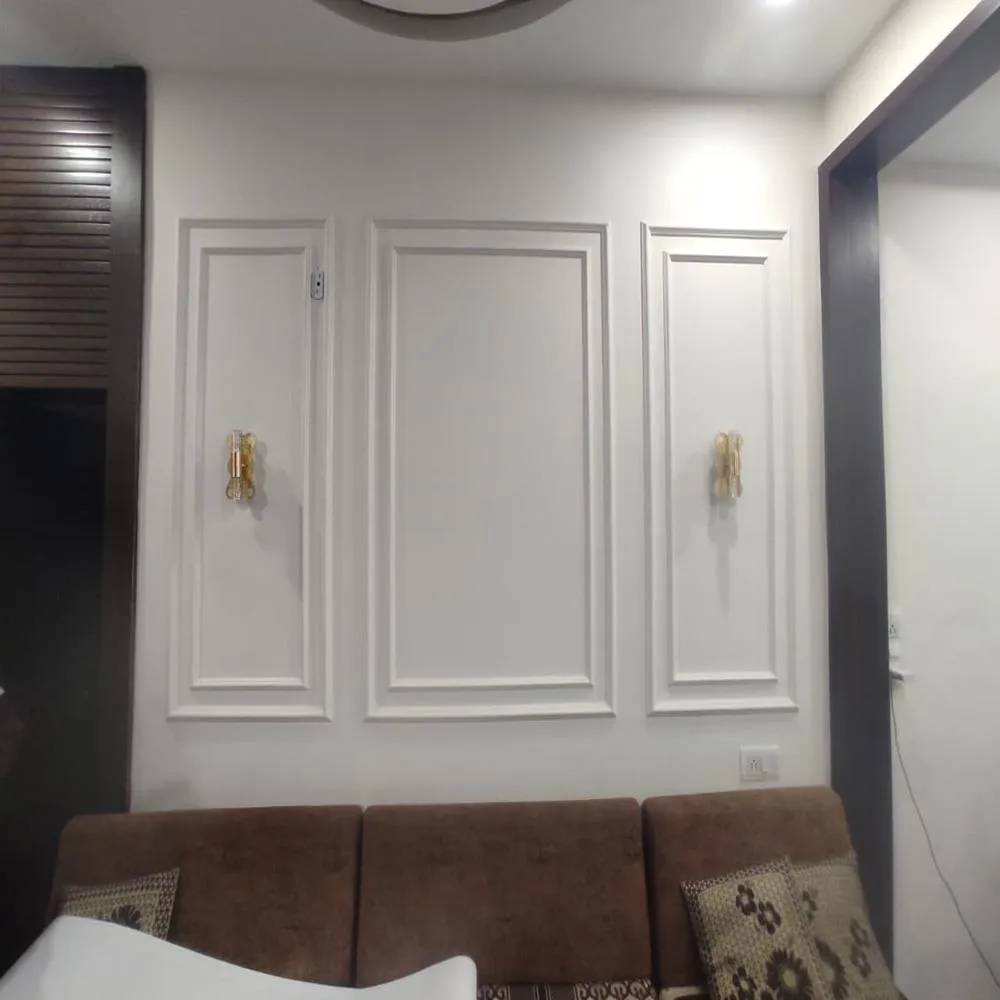
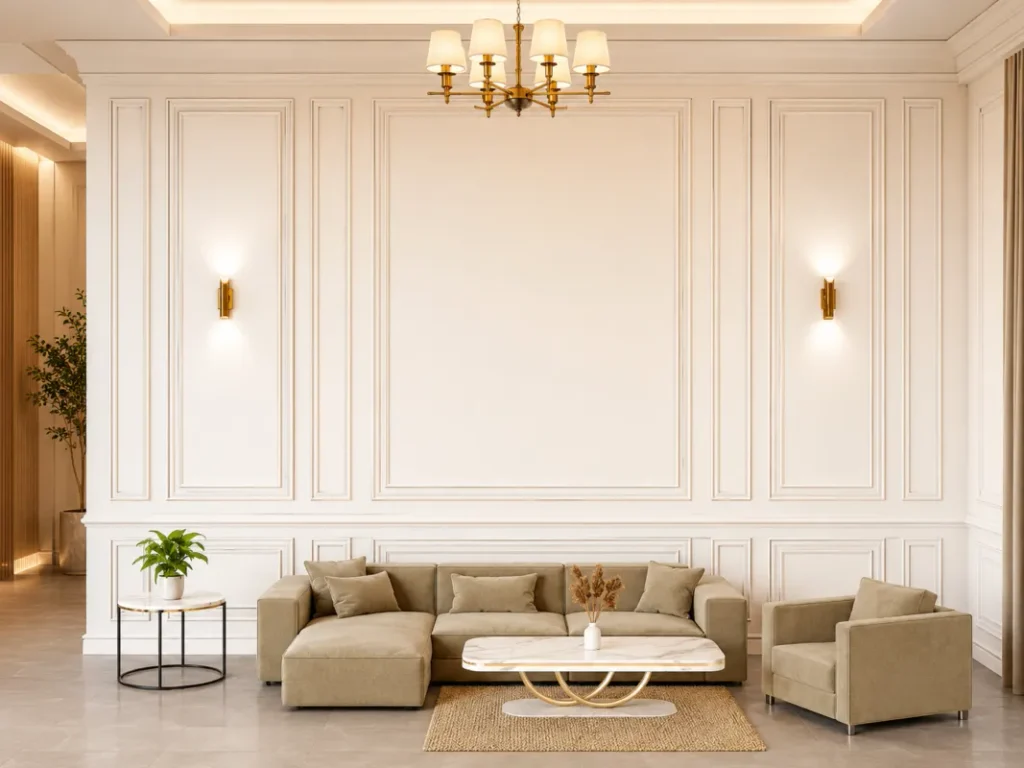
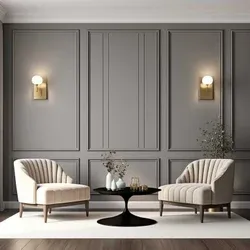
Wall Moulding Design for Living Room
The living room is one of the most requested places for this treatment. The sofa back wall and the TV wall are the two areas that benefit the most. Focusing on these two focal points keeps the rest of the room calm.

- Sofa back wall: A framed or vertical panel behind the sofa gives the seating area a designed backdrop without heavy furniture. This is one of the highest-impact places for design ideas.
- TV wall: A clean frame or fluted panel around the television creates a focal point. It can be combined with a floating console. This is among the most searched applications. Explore more in our living room interior design ideas.
- Modern style: Slim vertical lines or large rectangular panels in the same colour as the wall keep the look contemporary.
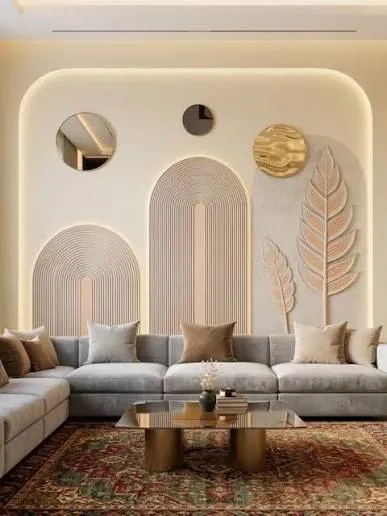
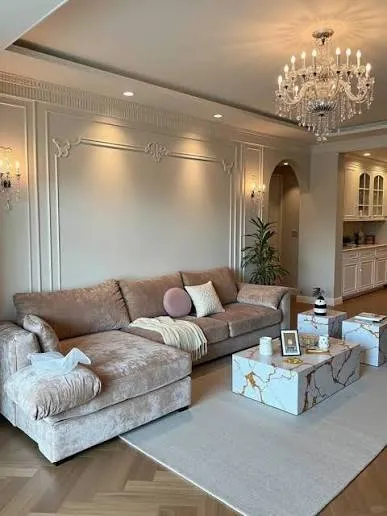
- Luxury finish: Larger panels, subtle lighting, or a combination with wallpaper create a more premium look. Luxury living room designs often pair moulding with carefully chosen lighting.
Using wallpaper inside the frames is another popular option. If you are planning a full living room project, moulding can be coordinated with the false ceiling and lighting so the entire wall reads as one composition.
Wall Moulding Design for Bedroom
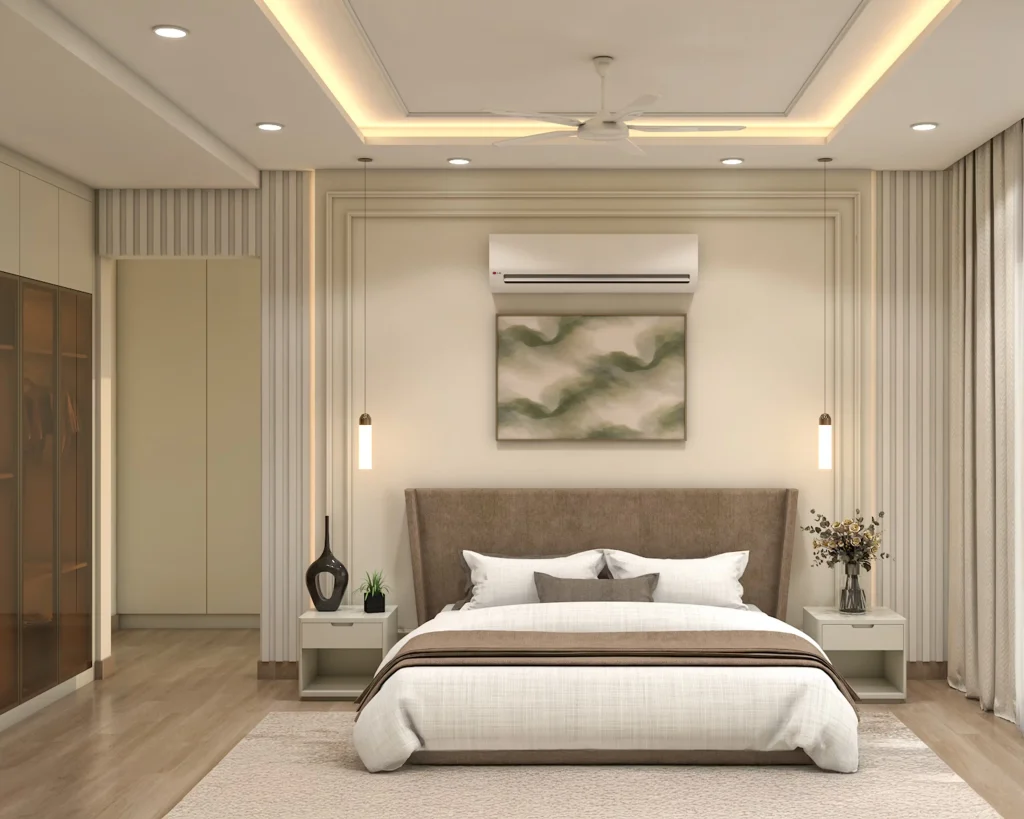
Bedroom applications work best behind the bed. A panelled or framed bed back wall replaces the need for a heavy headboard and gives the room a calmer, more finished appearance. The design should support rest rather than compete with it.

- Simple rectangular frames in a soft neutral colour.
- Vertical fluted panels for a modern look.
- POP with integrated lighting for a softer effect.
- Wallpaper inside the frames for added texture.
For smaller bedrooms, keep the treatment thin and limited to the wall behind the bed so the room does not feel crowded. Living room and bedroom treatments can share the same material language so the home feels cohesive. For more bedroom ideas, see our bedroom interior design ideas.
Materials Used in Wall Moulding Design
| Material | Best For | Notes |
|---|---|---|
| PVC | Living rooms, bedrooms, humid areas | Easy to clean, lightweight. Common for adhesive installation. |
| MDF / HDHMR | Modern interiors | Smooth finish, takes paint well. HDHMR preferred for moisture resistance. |
| POP | Custom profiles, luxury looks | Allows more intricate shapes. |
| Wood | Traditional or warm modern styles | Adds natural texture but needs proper finishing. |
Which material is best depends on the room and maintenance preference. PVC and HDHMR are practical for most Indian homes. POP is chosen when custom shapes are needed. For a broader material comparison, see resources like Asian Paints wall moulding designs guide.
How to Choose the Right Wall Moulding Design
When deciding on a design, consider room size, ceiling height, and furniture placement. Large panels suit bigger walls; thin vertical lines work better in smaller rooms. Always prepare the wall surface properly before installation. Planning begins with measuring the wall accurately and marking the layout before any material is fixed.
Common questions people ask include:
- How to design wall moulding for a specific wall?
- How to measure wall moulding accurately?
- How to install wall moulding without visible joints?
- Which moulding is best for wall in an Indian home?
- How to do wall moulding on stairs or passages?
The best result usually comes from planning the layout on paper or in 3D first, then executing with clean materials and proper priming. A designer can help with these proportions so the final result looks balanced.
Installation Tips
For PVC, most installations use construction adhesive. For MDF or wood, a combination of adhesive and finishing nails is common. Always fill joints properly and paint the moulding and wall together for a seamless look. Correct installation involves careful measurement, clean cuts, and proper surface preparation.
If you are searching for how to fix PVC moulding on wall or how to stick PVC moulding on wall, the key is a clean surface, the right adhesive, and holding the piece firmly until it sets. How to apply wall moulding and how to attach wall moulding follow the same principle: good preparation leads to clean results. Professional installation ensures straight lines and clean corners. Additional installation guidance can be found in resources such as how to choose wall moulding design.
Is Wall Moulding Outdated?
No. It remains relevant when it is kept proportional and modern. Heavy ornate profiles can feel dated, but clean rectangular frames, slim vertical lines, and monochromatic finishes look current in both apartments and independent homes. Modern living room and bedroom applications continue to be requested because they add structure without clutter.
FAQs on Wall Moulding Design
How to decorate wall moulding?
Paint the moulding the same colour as the wall for a subtle effect, or use a slight contrast. Wall moulding design with wallpaper inside frames is another option. Lighting can also highlight the depth created by the moulding.
How to add wall moulding to an existing wall?
Prepare the surface, mark the layout carefully, fix the moulding with adhesive or nails, fill joints, and finish with paint. How to put moulding on wall and how to panel a wall with moulding follow this sequence. A designer can help plan the proportions so the final result looks balanced.
Which moulding is best for wall?
PVC and HDHMR are practical choices for most Indian homes because they are stable and easy to maintain. POP is preferred when custom shapes are needed. HDHMR wall moulding design is particularly useful in humid climates.
How to design wall moulding for a living room?
Focus on the sofa back wall or the TV wall. Use rectangular frames or vertical panels. Keep the colour either matching the wall or slightly contrasting for definition. Wall moulding design for living room works best when it supports the furniture layout.
How to install PVC moulding on wall?
Clean the wall, apply construction adhesive to the back of the PVC moulding, press it into place, and hold until set. Fill any small gaps and paint if required. This is the basic method for how to stick PVC moulding on wall and how to fix PVC moulding on wall.
What is wall moulding?
Wall moulding is decorative trim or panelling applied to walls to add depth, structure, and visual interest. It can be used for living room wall moulding design, bedroom wall moulding design, and TV wall moulding design. What is wall moulding called? It is also known as wall paneling or decorative moulding.
Conclusion
Wall moulding design is a practical way to elevate living rooms, bedrooms, and feature walls without major structural work. Whether you prefer a modern style, POP profiles, or PVC panels, the key is proportion, clean execution, and coordination with the rest of the interior. Making it look intentional comes down to planning and careful installation.
If you are planning this for your home, share your floor plan and requirements. We can help with layout, material selection, and complete design support so the final result looks intentional and lasts well. Whether you need support in Faridabad or for a remote project across India, the process remains the same.
Contact us for a free consultation on wall moulding design, living room feature walls, bedroom backdrops, TV wall treatments, or any other interior requirement.